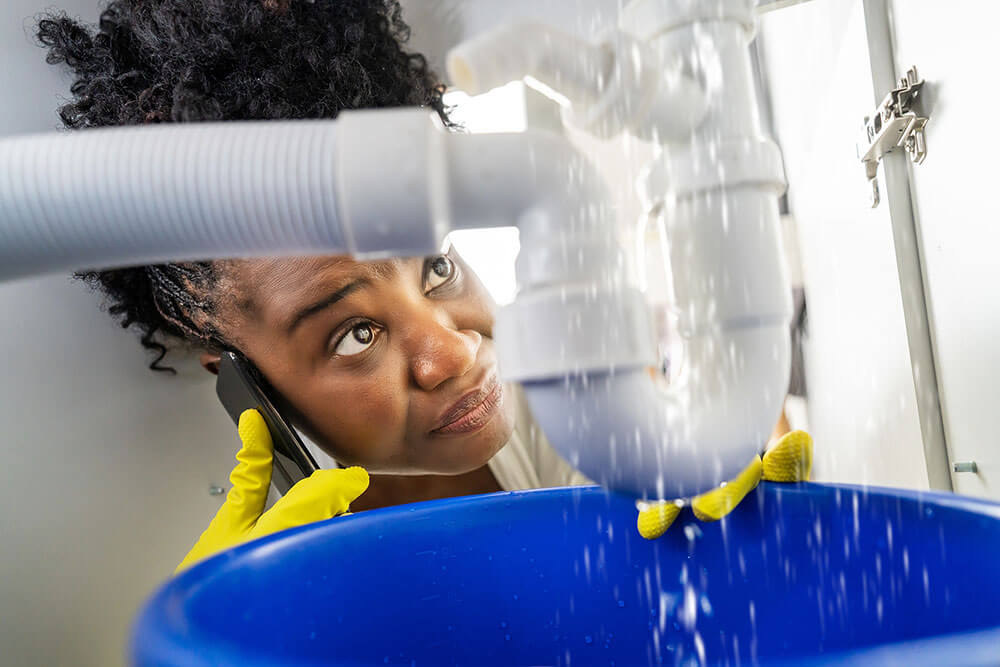
At Diaz Plumbing, we’ve seen it all — from leaky faucets to flooded bathrooms. Most plumbing problems start small but can turn into major headaches (and expensive repairs) if ignored. Here are five common issues we see and simple ways to prevent them.
1. Dripping Faucets
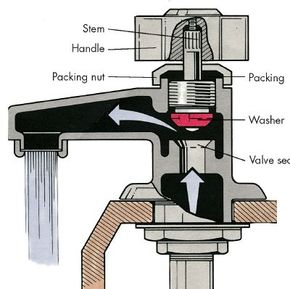
A dripping faucet might not seem serious, but it can waste hundreds of gallons of water a year.
Prevention: Check for worn-out washers or cartridges. Replacing these small parts can stop the drip before it drives your water bill up.
2. Slow or Clogged Drains

Soap, grease, and hair are the main culprits.
Prevention: Use a drain strainer in sinks and showers, and avoid pouring grease or food scraps down the drain.
If your drains keep clogging, it might be a deeper issue — that’s when Diaz Plumbing can help with professional drain cleaning.
3. Running Toilets

If your toilet keeps running after you flush, it’s wasting water nonstop.
Prevention: Most of the time, it’s a worn-out flapper or fill valve. These are cheap, easy parts to replace — or we can handle it quickly during a service call. You can check for toilet leaks by performing a dye test.
4. Low Water Pressure

Low pressure can make showers miserable and may signal hidden leaks or buildup in your pipes.
Prevention: Regularly clean faucet aerators and showerheads. If pressure drops suddenly, call a pro — it could mean a leak or corrosion in your plumbing system.
5. Leaky Pipes
Even small leaks can lead to mold, water damage, and costly repairs.
Prevention: Inspect under sinks and around appliances for moisture or rust spots. Early detection saves you time, money, and stress.
💧 Final Tip:
Regular plumbing checkups keep your home running smoothly. If you notice drips, slow drains, or pressure changes, don’t wait contact Diaz Plumbing today at 510-470-7813 for fast, friendly service and honest pricing.
Leave a Reply